

The reasoning is visible before the robot moves.
Interpretability and safety are built into OpenMind's inference loop from the ground up — not layered on as compliance filters after the architecture is set.
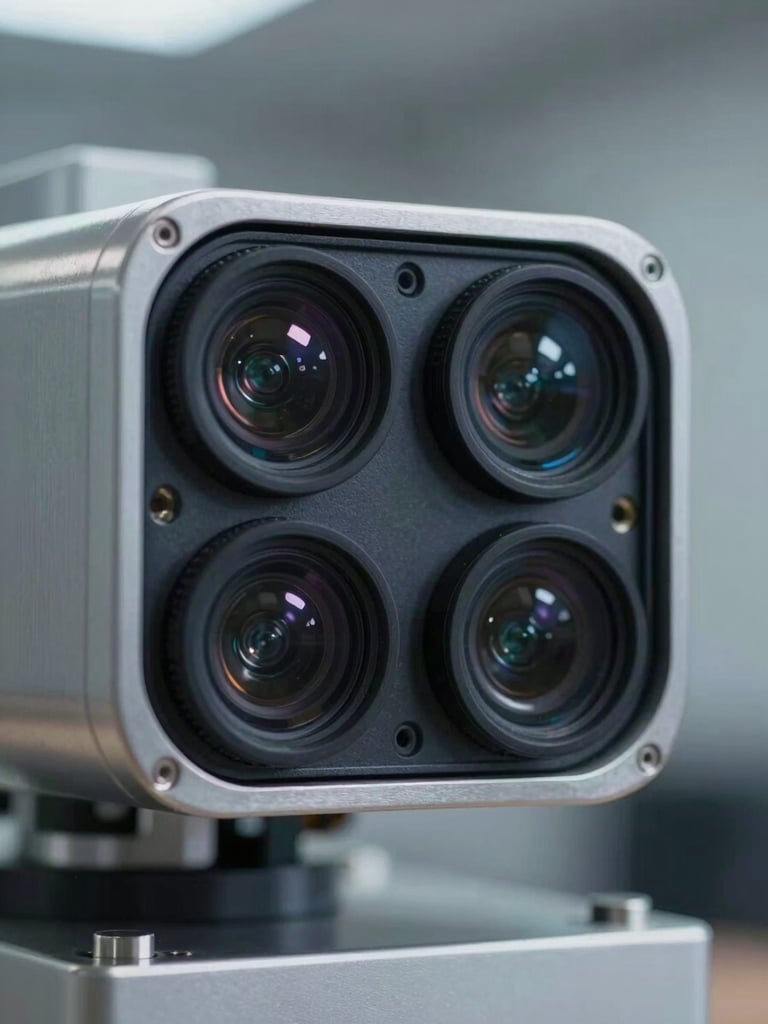
Every decision leaves a readable record.
Each inference cycle produces a structured reasoning trace — human-readable, inspectable in real time, logged for post-deployment audit. No hidden activations, no opaque confidence scores.
Robust under real-world variance.
Sensor noise, partial occlusion, and unexpected objects trigger documented fallback paths — not silent failures. The system degrades to a known safe state and flags the condition for review.
Three constraints. No exceptions.
Interpretable Inference
Graceful Degradation
Embedded Safety Constraints
Every action is backed by a structured reasoning trace your engineers can read, query, and audit — before deployment and during production runs.
When conditions deviate from training distribution, the system routes to documented fallback paths and surfaces the anomaly — it does not guess silently.
Safety boundaries are part of the model's inference loop, not post-hoc output filters. The constraint cannot be bypassed by a downstream process.
Evaluate it against your deployment environment.
Qualified engineering teams can request a technical walkthrough of the architecture documentation and integration specifications.